Backyard Pod vs Granny Flat: Melbourne Rules and Costs
Last Updated:
Backyard Pod vs Granny Flat: Melbourne Rules and Costs
A backyard pod is a fully constructed home office or studio delivered to your Melbourne backyard, with pricing that depends on size, fit-out, and site access, and installation timelines that vary by site preparation and access, with permit requirements depending on the structure’s size and siting. A granny flat is a self-contained secondary dwelling with kitchen and bathroom, with costs determined by size, finishes, and site conditions, and timelines that depend on council responsiveness and design complexity. Your choice comes down to whether you need a functional workspace now or a rental-ready second home later.
What’s the Real Difference Between a Backyard Pod and a Granny Flat in Melbourne?
Melbourne homeowners adding a second dwelling face two very different paths. Both put usable space in your backyard, but they sit in separate regulatory worlds under the Victorian planning scheme.
A backyard pod is a fully constructed module that typically bypasses building permits when it falls within the size threshold for exemption. It arrives complete, craned over your fence, and is ready for use within a short timeframe after delivery. A granny flat is a self-contained dwelling with a kitchen and bathroom that requires full council approval, engineering, and mandatory inspections at every stage.
The pod wins on speed and simplicity. The granny flat wins on long-term value and rental income. Your choice hinges on whether you need a home office next month or a second income stream that builds equity over years.
Backyard Pod vs Granny Flat: Quick Comparison

What Exactly Is a Backyard Pod?
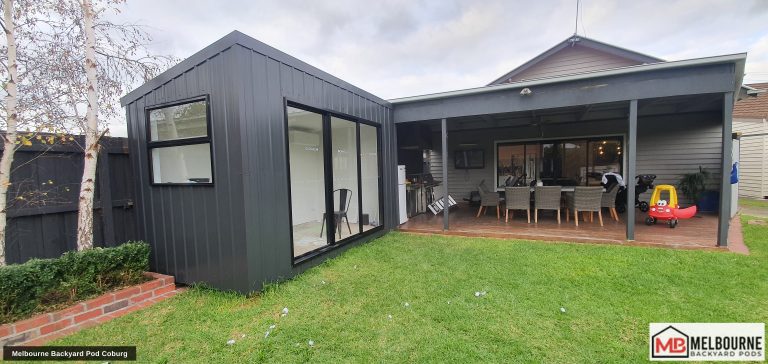
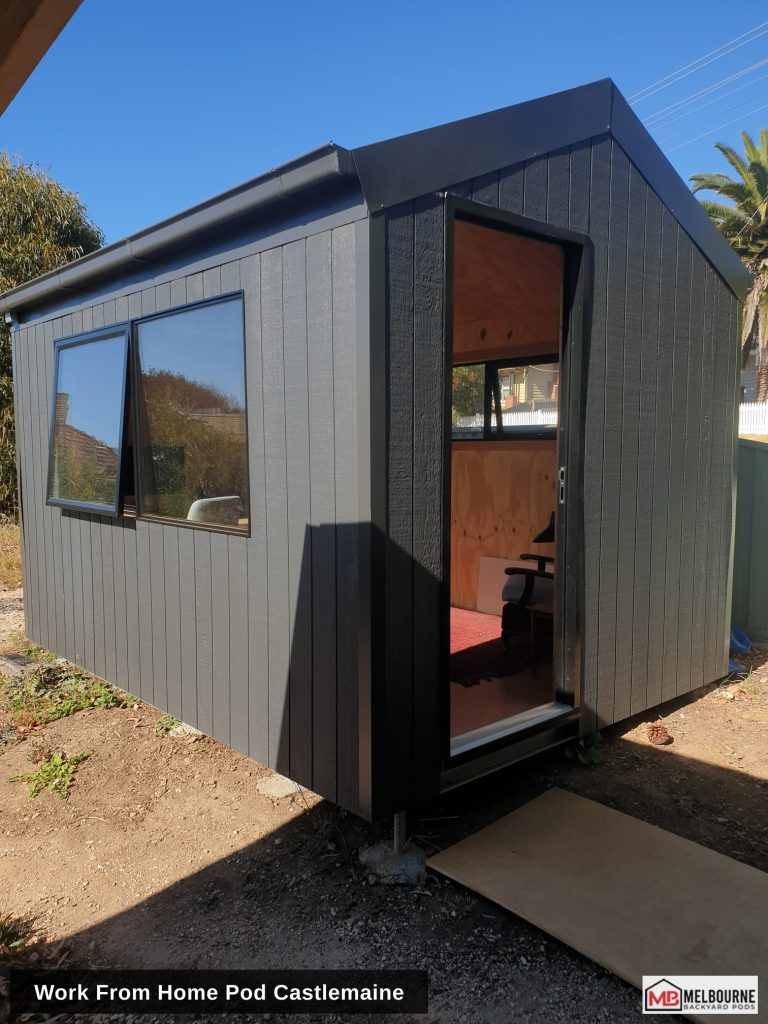
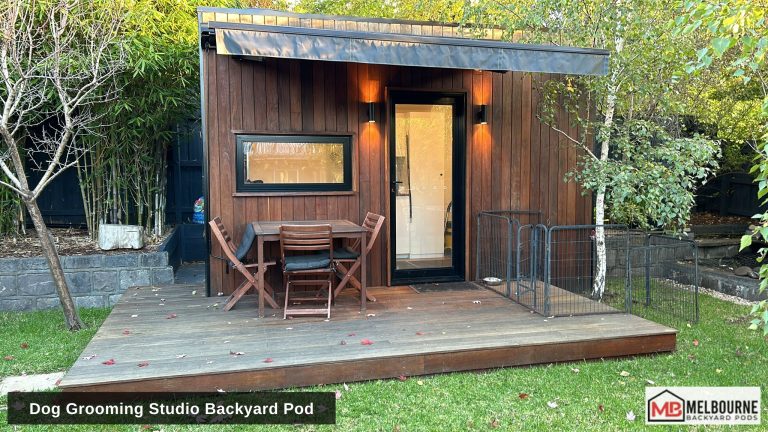
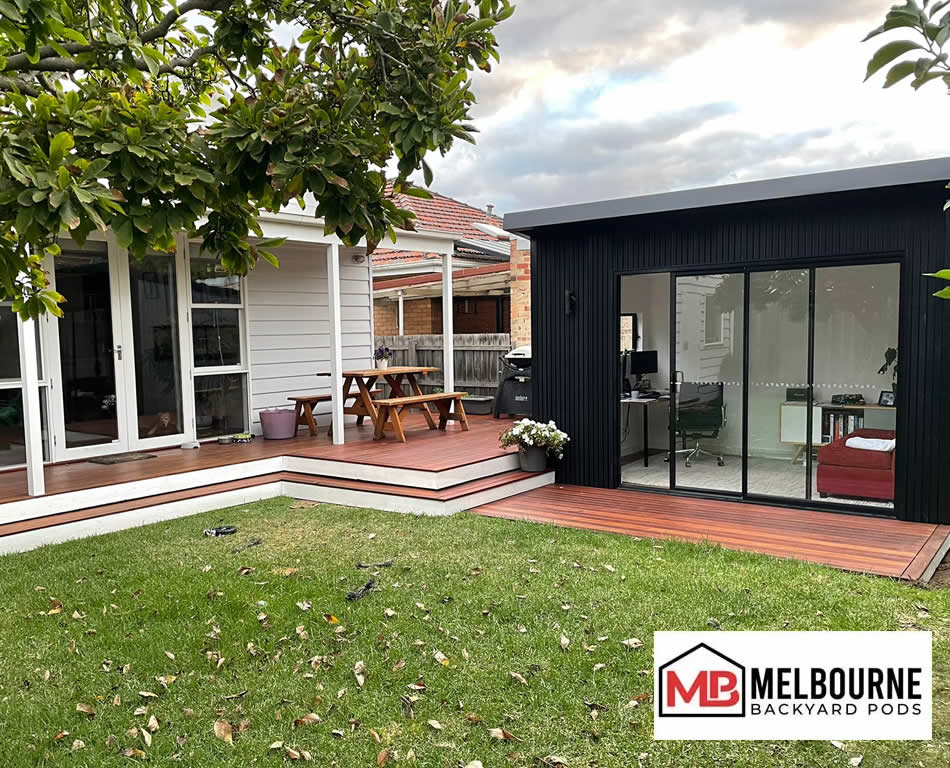
A backyard pod is a compact, fully constructed structure designed for use as a home office, art studio, gym, or hobby room. Most pods arrive as complete modules, craned into position over a boundary fence and placed on prepared footings on the day of delivery.
In Victoria, structures that fall within the size threshold for exemption generally avoid a building permit, provided they meet siting rules: setback distances from boundaries, height limits, and positioning behind the front building line. Pods are not classified as habitable dwellings under the National Construction Code because they lack permanent cooking and bathing facilities. This classification is what keeps them simple to install.
You can have power run by a licensed electrician, but plumbing is uncommon. Adding a toilet triggers a building permit and upgrades the structure to habitable classification under the NCC. Foundations range from compacted gravel pads to concrete slabs, depending on site conditions and pod weight.
What Are the Benefits of a Backyard Pod?
Speed is the standout benefit. Most pod installations wrap up within a short period after delivery. There is no waiting on council for months. The price point opens up possibilities for homeowners who cannot justify a full granny flat build.
Pods sit lightly on the land. They rarely trigger capital gains tax implications or land tax reassessments because they are not separate dwellings. If you move house, some pod models can be dismantled and relocated. Maintenance is minimal—a well-built pod with proper weather sealing will last for many years with occasional paint touch-ups.
What Are the Limitations of a Backyard Pod?
The size ceiling is real. Even a generously sized pod cannot legally become a rental property in Victoria. The absence of plumbing limits functionality. You cannot install a toilet without triggering a building permit and upgrading the structure to habitable classification.
Pods work brilliantly as workspaces but cannot house overnight guests for extended stays under most council interpretations. Resale value uplift is modest compared to a granny flat. Buyers see a pod as a bonus, not a second dwelling.
What Exactly Is a Granny Flat in Melbourne?
A granny flat, officially termed a “dependent person’s unit” or “secondary dwelling” under Victorian planning schemes, is a self-contained home on the same lot as a primary residence. It includes a kitchen, bathroom, living area, and separate entrance. The minimum size depends on the facilities required and the applicable planning scheme.
Granny flats fall under Class 1a of the National Construction Code, meaning they must meet the same standards as any house: energy ratings, waterproofing, structural engineering, and fire separation. Every granny flat requires a building permit and, depending on your council, a planning permit as well. The process involves architectural drawings, soil testing, engineering, and mandatory inspections at slab, frame, lock-up, and completion stages.
What Are the Advantages of a Granny Flat?
A properly approved granny flat adds genuine value to your property. Real estate agents typically estimate a significant uplift in total property value, depending on build quality and suburb. Rental income is the obvious draw—a well-located Melbourne granny flat can return a meaningful weekly rent.
The structure works as long-term accommodation for ageing parents or adult children. Unlike pods, granny flats are designed for year-round habitation with insulation, heating, cooling, and full weatherproofing to AS/NZS standards. They look and function like small homes because they are small homes.
What Are the Drawbacks of a Granny Flat?
Cost is the barrier. Even a basic granny flat in Melbourne involves a substantial build cost that varies with size, finishes, and site conditions. The approval timeline stretches over several months depending on council responsiveness and whether objections arise.
Ongoing costs include higher council rates, potential land tax implications, and maintenance of plumbing and appliances. Construction disrupts your backyard for months. Not every block suits a granny flat—council overlays, minimum lot sizes, and neighbourhood character protections can stop a project before it starts.
How Much Does a Backyard Pod Cost Compared to a Granny Flat in Melbourne?
The numbers tell a clear story. A small backyard pod with basic insulation, double-glazed windows, and electrical fit-out costs vary depending on size, materials, and site access. A larger pod with premium cladding and split-system air conditioning costs more. These figures assume a level site with reasonable access and no major groundworks.
A granny flat operates in a different financial league. Construction costs in Melbourne are calculated per square metre for a finished build, with the total depending on the unit’s size and the chosen rate. On top of that, budget for permits, architectural drawings, engineering, soil tests, and council fees. Service connections for water, sewer, and electricity add further costs depending on distance from existing mains. Landscaping, fencing, and driveway adjustments often add extra expense.
Financing differs too. Pods are often paid from savings or a modest personal loan. Granny flats frequently require construction loans, home equity drawdowns, or refinancing. The monthly repayment on a granny flat loan at current rates is significant, which a tenant’s rent can offset—but only after the build finishes and a lease is signed.
Should I Choose a Backyard Pod or a Granny Flat?
Choose a backyard pod if you need a dedicated workspace, creative studio, or retreat that you can use next month. The pod makes sense for Melbourne homeowners who work remotely and want separation from household noise, or for those who want a music room, gym, or workshop without the commitment of a major build. If your budget is modest and you value speed over rental returns, the pod is your answer.
Choose a granny flat if you have adult children living at home, ageing parents needing proximity, or a mortgage that rental income could reduce. The granny flat suits homeowners with larger blocks who can tolerate a multi-month build and have access to construction finance. The long-term financial case is stronger: rental income eventually covers the build cost, and the asset adds more to resale value than it costs to construct.
Some Melbourne homeowners take a staged approach—installing a pod first as an office for several years, then pursuing a granny flat build when finances and family circumstances align. The pod can serve as a site shed during construction or remain as a separate studio after the flat is complete.
Can I Legally Rent Out a Backyard Pod in Melbourne?
No. A backyard pod that falls within the permit-exempt size threshold cannot legally be rented as a dwelling in Victoria. It lacks the required facilities—kitchen, bathroom, and separate entrance—to meet the definition of a habitable dwelling under the Residential Tenancies Act 1997. Renting it out would breach council regulations and potentially void your home insurance. Granny flats with proper approvals can be rented legally.
Do I Need a Building Permit for a Backyard Pod in Victoria?
Most pods that fall within the permit-exempt size threshold do not require a building permit if they meet siting requirements: setback distances from boundaries, height limits, and positioning behind the front building line. Pods above the exemption threshold or those with plumbing always need a permit. Always check with your local council, as some have specific overlays that override the standard exemptions.
How Long Does a Granny Flat Take to Build in Melbourne?
Allow several months for construction from slab pour to handover. The approval phase before building starts adds additional months for planning permits, building permits, and engineering documentation. Delays commonly arise from council processing times, wet weather during slab pours, and trades availability.
What Size Backyard Do I Need for a Granny Flat in Melbourne?
Most Melbourne councils require a minimum lot size for a secondary dwelling, though this varies by municipality. The granny flat itself needs a footprint large enough to accommodate all required facilities, plus private open space. Setbacks from boundaries and separation from the primary dwelling further reduce usable area. A site analysis by a building designer will confirm what fits on your block.
Ready to Add Space to Your Melbourne Backyard?
Whether you are leaning toward a fully constructed pod delivered quickly or exploring a granny flat for long-term rental returns, the right choice starts with understanding what fits your block and budget. Call Melbourne Backyard Pods on 1300 866 131 or email info@melbournebackyardpods.com.au to discuss your project. We design and deliver custom-built pods across Melbourne—not flat-pack kits, but fully constructed modules ready for use soon after they arrive.