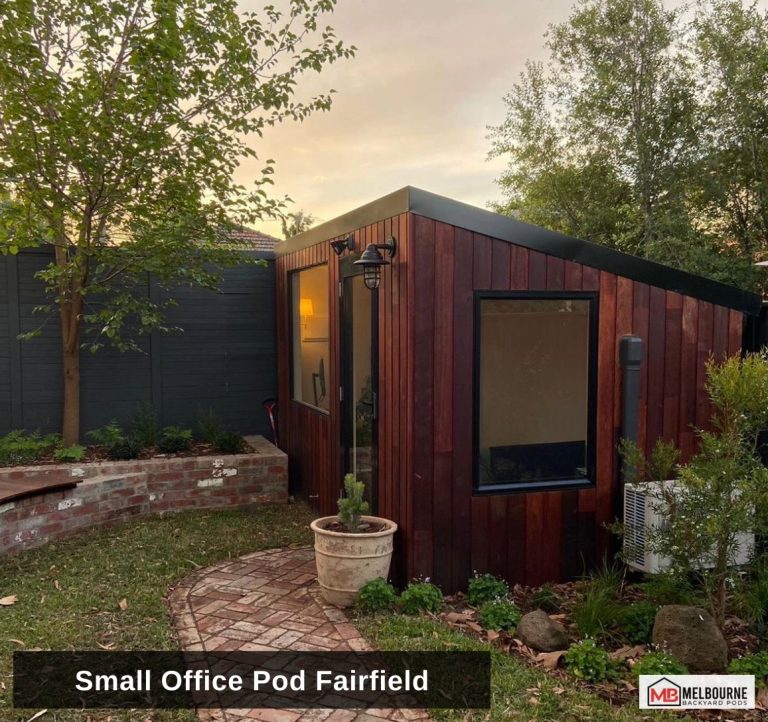
How to Build a Profitable Granny Flat: A Comprehensive
Last Updated: July 23, 2026
Your backyard can generate $400–$650 per week in rental income without you ever picking up a hammer. A fully constructed, crane-delivered backyard pod from Melbourne Backyard Pods transforms your unused outdoor space into a high-yield asset in weeks, not months. With a 60sqm two-bedroom garden studio costing $140,000–$220,000 and delivering 6–12% gross rental yields, your investment typically pays itself off in 5–9 years while adding $200,000–$350,000 to your property’s value.
What a Profitable Backyard Pod Rental Actually Is
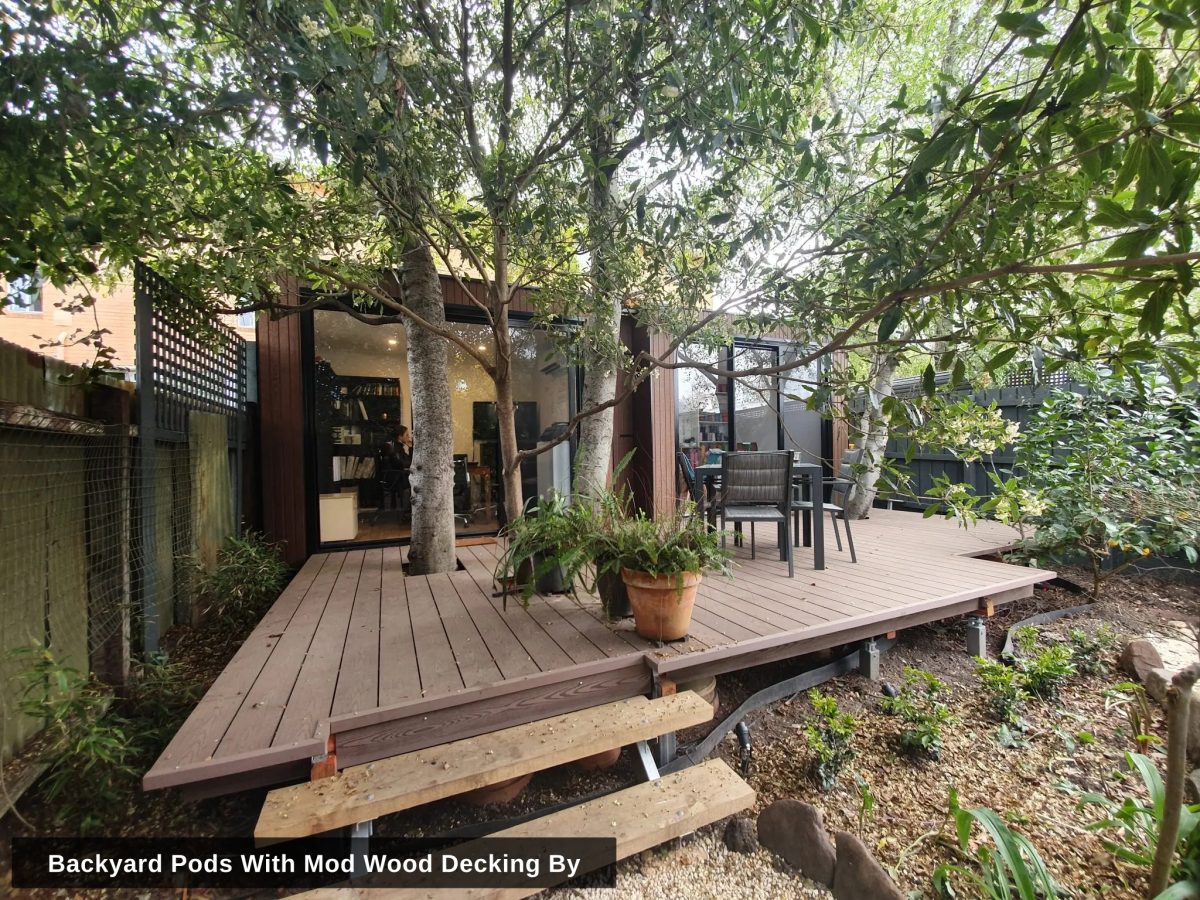
A profitable backyard pod rental is a self-contained garden studio on your property that generates ongoing rental income without requiring you to manage a construction project. Unlike a home office or hobby room, an income-producing pod meets Class 1a building standards under the National Construction Code — it’s a fully independent dwelling with its own entrance, kitchen, bathroom, and living areas, delivered to your site complete.
In Victoria, most Melbourne councils permit secondary dwellings up to 60 square metres without a planning permit if your block exceeds 300 square metres and meets setback requirements. The key advantage with a factory-built pod is certainty: your garden studio arrives fully finished, compliant, and ready for tenants from day one. You’re not building extra space for family overflow. You’re adding an income-generating asset that attracts quality tenants while meeting residential tenancy laws, tax obligations, and lending requirements — all without disrupting your life for months of on-site construction.
Why a Backyard Pod Makes Financial Sense Right Now
Melbourne’s median house price sits around $950,000, while a fully constructed backyard pod costs a fraction of that. You use land you already own, avoid stamp duty on a separate investment property, and create immediate cash flow without relocating. The numbers stack up because you’re not paying for land — you’re simply activating land you already hold.
Beyond the rental income, a compliant garden studio increases your property’s capital value. Bank valuers recognise secondary dwellings as significant improvements. A 2026 CoreLogic analysis found Melbourne properties with approved secondary dwellings commanded 18–25% premiums over comparable single-dwelling homes. Depreciation adds another layer of benefit: new pod installations allow you to claim thousands annually in tax deductions for fixtures, fittings, and the structure itself over 40 years.
The rental market fundamentals support this strategy. Vacancy rates in middle-ring Melbourne suburbs hover between 1.2% and 2.8%, and quality self-contained units rent within days. Tenants prioritise privacy, outdoor space, and separation from neighbours — exactly what a well-designed backyard pod offers over apartment living.
How a Crane-Delivered Backyard Pod Works
The process from bare lawn to rental income follows a streamlined path. With a fully constructed pod, you skip the months of on-site trades, weather delays, and project management headaches. Here’s how it works.
Site Assessment and Feasibility
Start with your title and local planning scheme. Order a Section 32 statement and check your council’s planning overlay maps online. You need to confirm minimum lot size, any heritage or vegetation overlays, and whether your block falls within a bushfire management or flood overlay.
Next, arrange a feature and level survey. This $1,500–$2,500 document shows contours, easements, sewer lines, significant trees, and boundary dimensions. We use this survey to confirm your pod can be positioned legally and accessed by our crane team. A common trap is discovering a 2-metre-wide sewer easement running diagonally through your only viable building zone — the survey catches this before any commitment.
Services connection is part of the package with a fully constructed pod. If your existing sewer point sits at the front of the house and your pod goes at the rear, we coordinate the hydraulic engineering and connection work. Our fixed-price approach means you know the full cost upfront, not after surprises emerge mid-project.
Design and Approvals
Design for renters, not yourself. A profitable layout prioritises functional storage, a full-size kitchen with dishwasher, a separate bedroom with built-in robes, and a European laundry. Two-bedroom designs under 60 square metres achieve the best rental yields because they attract couples and small families willing to pay $100–$150 more weekly than singles.
Your approval pathway depends on size and siting. Dwellings under 60sqm that meet VicSmart provisions can often proceed with a building permit only, bypassing the 3–6 month planning permit process. We handle this entire approval process for you — our team manages council liaison, engineering certification, and building permits so you don’t need to become an expert in planning law.
Building permits require full engineering: slab design, frame certification, energy rating reports, and bushfire attack level assessments where applicable. Because our pods are factory-built to consistent specifications, this documentation is already prepared and proven across dozens of installations.
Delivery, Installation, and Tenanting
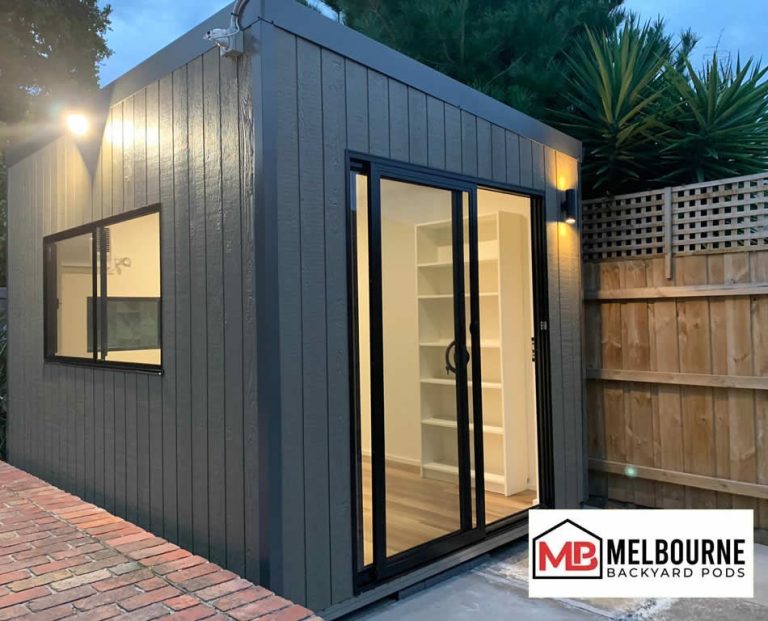
Your pod arrives on a truck and is crane-lifted into position in a single day. The steel-frame structure is fully constructed, clad, glazed, plumbed, wired, plastered, painted, and floored before it leaves our facility. Once positioned on your prepared slab, our team completes the service connections and final commissioning within days.
During the final week, photograph everything for depreciation schedules and insurance records. We arrange separate metering for water and electricity — tenants expect to pay their own usage. Hard-wired smoke alarms, a compliant switchboard, and window locks come standard. These details are built in, not added as afterthoughts.
Set rent at market rate using realestate.com.au and Domain rental data for your postcode. Professional photography and a well-written listing make a measurable difference. Consider engaging a property manager at 5–7% of gross rent. They handle tenant screening, bond lodgement with the RTBA, condition reports, and maintenance coordination — freeing you from 2am blocked-drain calls.
Backyard Pod Costs in Melbourne (2026)
Construction costs have stabilised after the post-pandemic spike. Here’s what you’ll pay for a fully constructed, crane-delivered backyard pod in Melbourne — with no hidden site costs or trade variations:
These figures assume a 55–60sqm pod on reasonably level ground with good crane access. Sloping blocks or difficult access may require additional preparation, but our team assesses this during the initial site visit and provides a fixed quote — no surprises. The advantage of a factory-built pod is price certainty: you’re not exposed to weather delays, trade shortages, or the 15–30% cost overruns common with on-site builds.
For those exploring different approaches, our guide to building a granny flat on a budget compares various options and cost structures.
Choosing the Right Backyard Pod Design for Rental Income
Your design choices directly affect vacancy periods, tenant quality, and long-term maintenance costs. Our pod range prioritises durability and liveability over aesthetic trends that date quickly.
Two-Bedroom Layouts (Highest Yield)
A 55–60sqm two-bedroom garden studio with open-plan living delivers the strongest rental returns in Melbourne’s middle suburbs. Position bedrooms at opposite ends of the pod for roommate appeal — two professionals sharing want acoustic separation. Built-in wardrobes in both rooms, a bathroom with separate toilet, and a full laundry nook come as standard features in our rental-optimised designs.
Living areas orient north where possible. Tenants notice dark, south-facing spaces immediately, and you’ll lose applicants to brighter alternatives. Cross-ventilation matters too — our window configurations capture Melbourne’s summer breezes and reduce air-conditioning complaints.
One-Bedroom Plus Study (Niche Appeal)
A 45–50sqm layout with a dedicated workspace attracts remote workers and single professionals. The study doesn’t need a window under the NCC if it’s under 6sqm and open to the living area, but our designs include a small window to dramatically improve marketability. These pods work well on narrower blocks where a two-bedroom won’t fit within setback requirements.
For more sizing options across different block dimensions, see our best backyard pod sizes for Melbourne blocks guide.
Accessible Design (Future-Proofing)
Step-free entries, wider doorways (870mm minimum), and hobless showers come standard or as optional upgrades on our pod range. These features open your rental pool to older tenants and those with mobility needs — tenants who typically stay longer and treat properties better. If your block has a gentle slope, we design the path from street to pod entrance at 1:20 gradient or less.
Common Questions About Backyard Pod Rentals
Do I need council approval for a backyard pod used as a rental?
In most Melbourne councils, a secondary dwelling under 60sqm on a lot over 300sqm can proceed with a building permit only, provided it meets VicSmart provisions for setbacks, site coverage, and height. However, if your property has heritage overlays, is under 300sqm, or your design exceeds standard dimensions, a planning permit is required. We confirm your specific council’s requirements before preparing any documentation — you’ll know exactly what’s needed upfront.
What rental income can I realistically expect from a backyard pod in Melbourne?
Rental income varies by location, size, and finish quality. As of early 2026, a well-presented two-bedroom garden studio in suburbs like Thornbury, Footscray, or Box Hill rents for $450–$650 per week. One-bedroom designs fetch $350–$480. Properties within walking distance of train stations and shops command the upper end. We can provide current rental estimates for your postcode during your initial consultation.
How does a backyard pod affect my capital gains tax when I sell?
Your main residence exemption generally covers the pod if it’s on the same title and you haven’t rented it out. Once you generate rental income, the pod portion of your property becomes subject to capital gains tax on a proportional basis. A quantity surveyor can determine the percentage of the property value attributable to the secondary dwelling. Speak with a property-savvy accountant before renting to understand your specific situation. Our granny flats vs duplexes tax and cost guide explores this in detail.
Can I install a backyard pod if I still have a mortgage?
Yes, but you need lender approval. Some banks require you to refinance or adjust your loan terms. Others are comfortable provided the installation doesn’t exceed a certain percentage of your property’s improved value. Approach your lender with a completed feasibility study showing pod costs, expected rental income, and the projected post-installation valuation. A broker can help navigate lender policies.
What’s the difference between a backyard pod and a traditional granny flat?
A backyard pod from Melbourne Backyard Pods is a fully constructed, steel-frame dwelling built in a controlled factory environment and crane-delivered to your site complete. A traditional granny flat is built on-site from the ground up over 12–20 weeks, with trades coming and going and weather affecting progress. Our pods meet the same Class 1a habitable dwelling standards — fixed foundations, connected services, full kitchen and bathroom — but arrive finished in a single day rather than being assembled piece by piece in your backyard. The result is identical in quality and compliance, but the experience is faster, cleaner, and far less disruptive.
Are backyard pods legal to rent out as permanent accommodation?
Yes — provided the pod is built to Class 1a standards under the National Construction Code. Every Melbourne Backyard Pod designed for rental use meets these requirements: fixed foundations, connected water and power, full kitchen and bathroom facilities, and compliance with the Residential Tenancies Act. Renting a non-compliant structure (like a basic home office pod without proper services) exposes you to significant legal and insurance liability. If rental income is your goal, we ensure your pod meets every standard from day one.
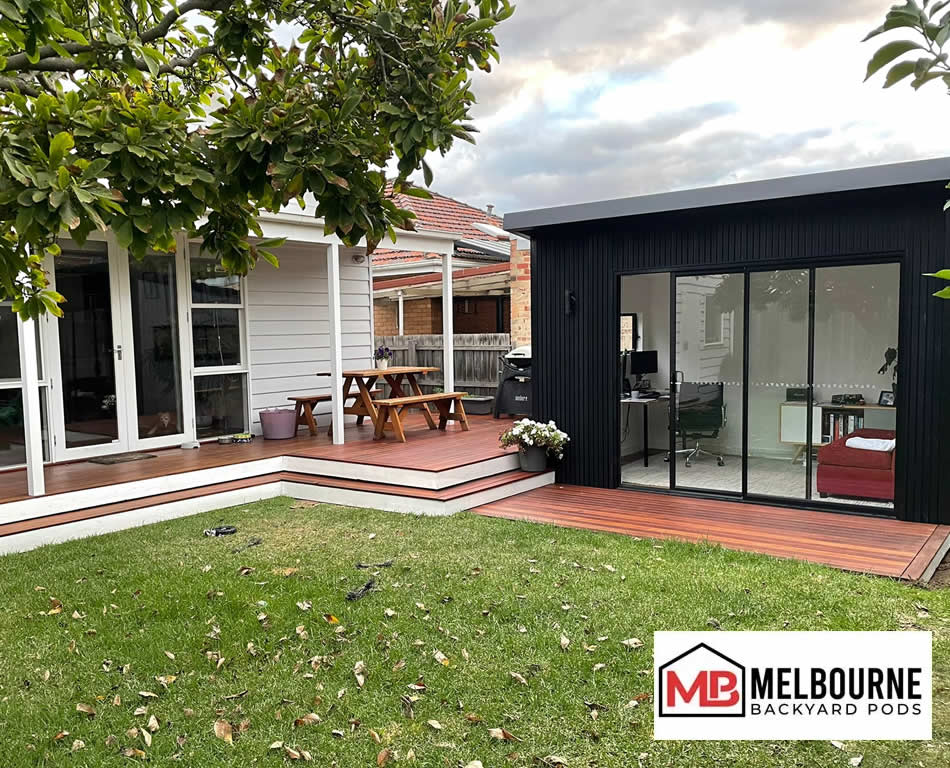
Your Next Step Toward Rental Income
Start with a site assessment. Contact us with your address, and we’ll review council overlays, lot dimensions, and access conditions — all at no cost. Our team visits your property, assesses crane access and services locations, and provides a fixed-price quote for a fully constructed pod delivered to your site.
From there, we handle the approvals, engineering, and installation while you plan your rental listing. The entire process — from first phone call to tenants moving in — typically takes 8–12 weeks, with the actual installation completed in a single day.
Ready to turn your backyard into a high-yield asset without the stress of a construction project? Call Melbourne Backyard Pods on 1300 866 131 or email info@melbournebackyardpods.com.au for a no-obligation discussion about your site and rental goals. We’ll help you understand feasibility, realistic budgets, and exactly how quickly you could be collecting rent from a fully finished garden studio.